Some places feel familiar before you have ever been there. Perhaps it is the old stone cottages, the climbing roses around weathered doorways, or the narrow village streets that seem to have been shaped slowly over hundreds of years. England—especially the Cotswolds—had lived in my imagination for a long time, and seeing it in person felt a little like stepping into a story I already knew by heart. The trip carried an even deeper meaning because part of my family’s story began in this corner of England. My ancestors once lived among these villages, and while I was there, I had the chance to see some of the places they would have walked through and inhabited in their daily lives.
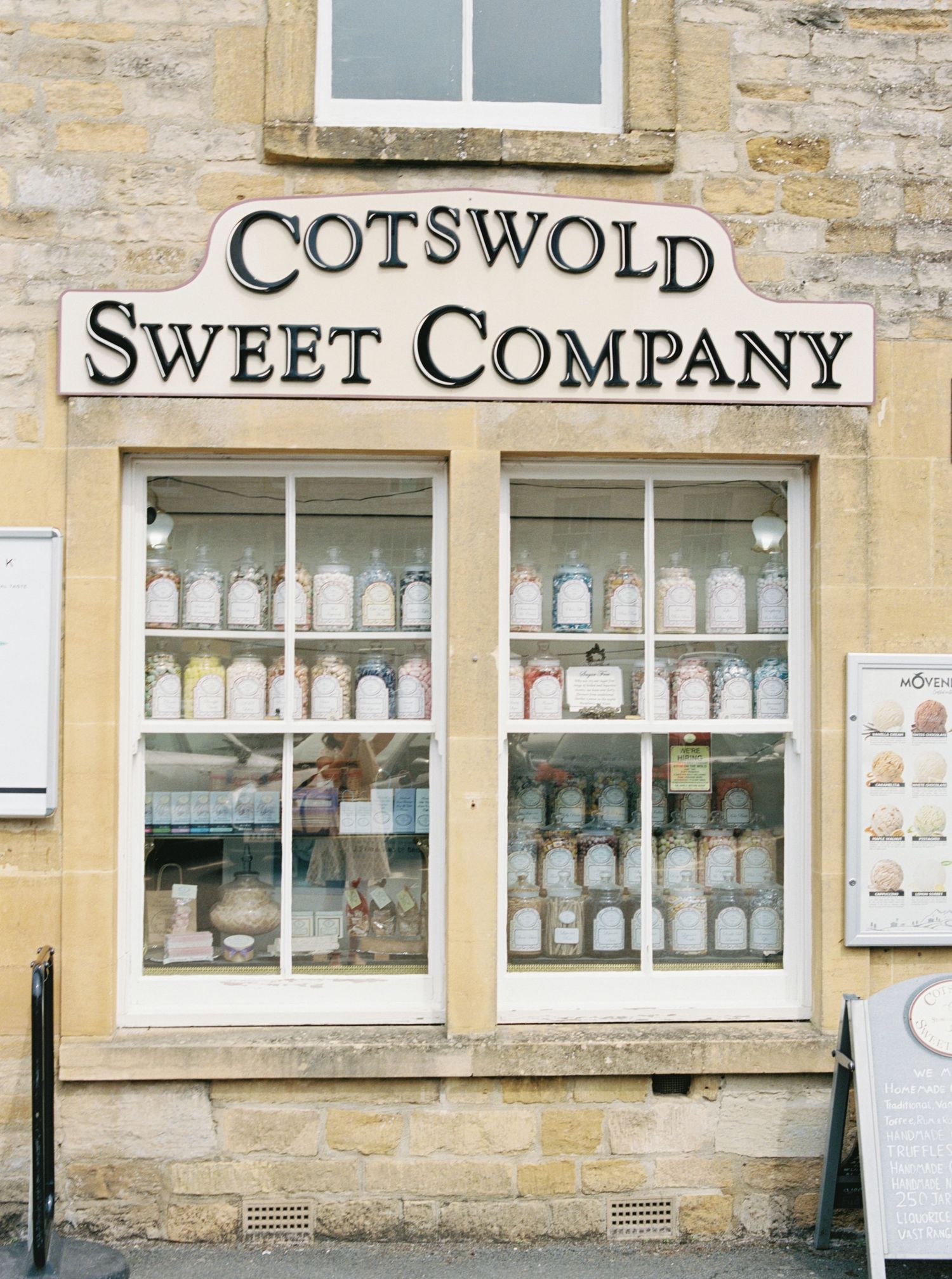
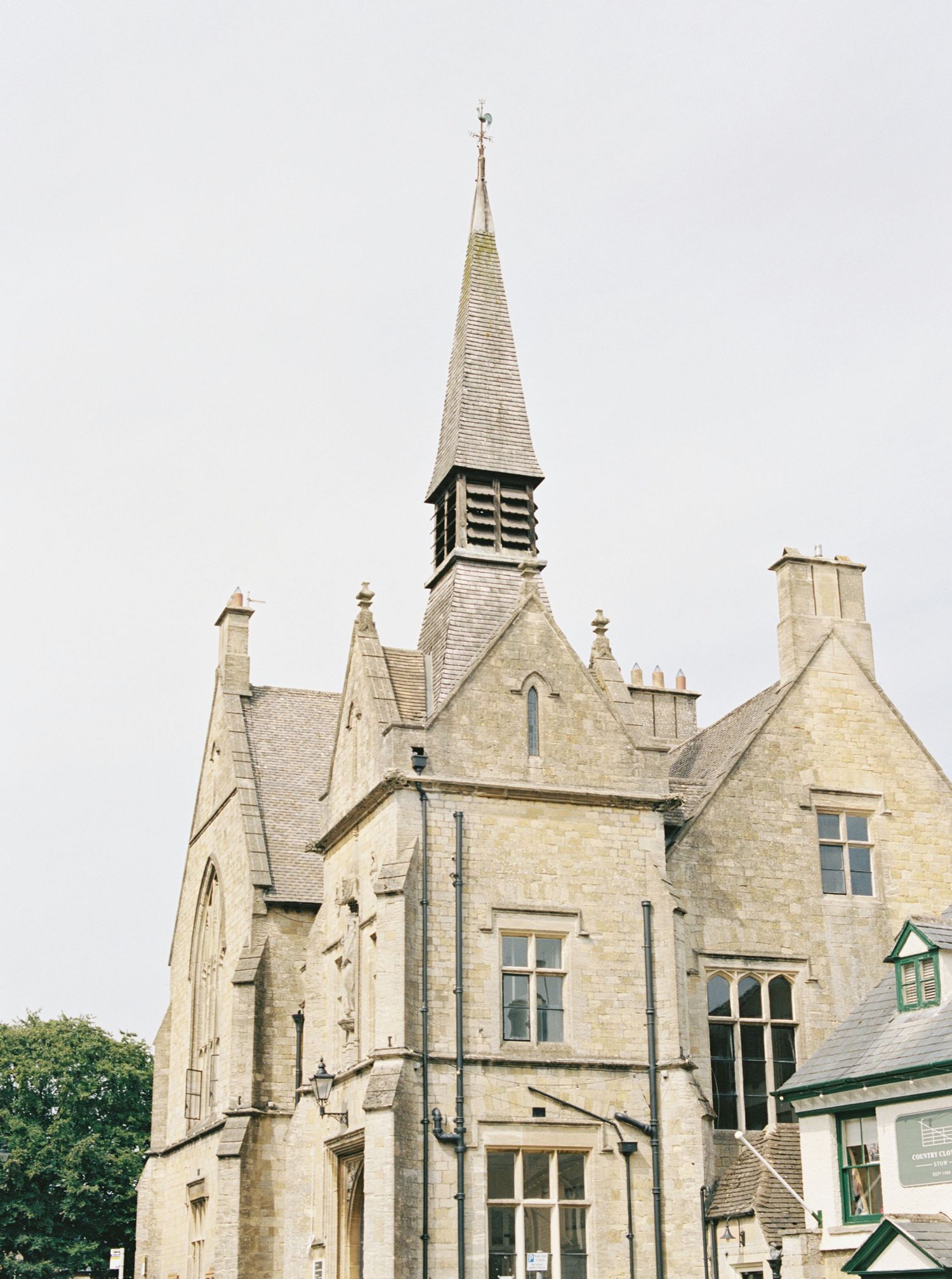
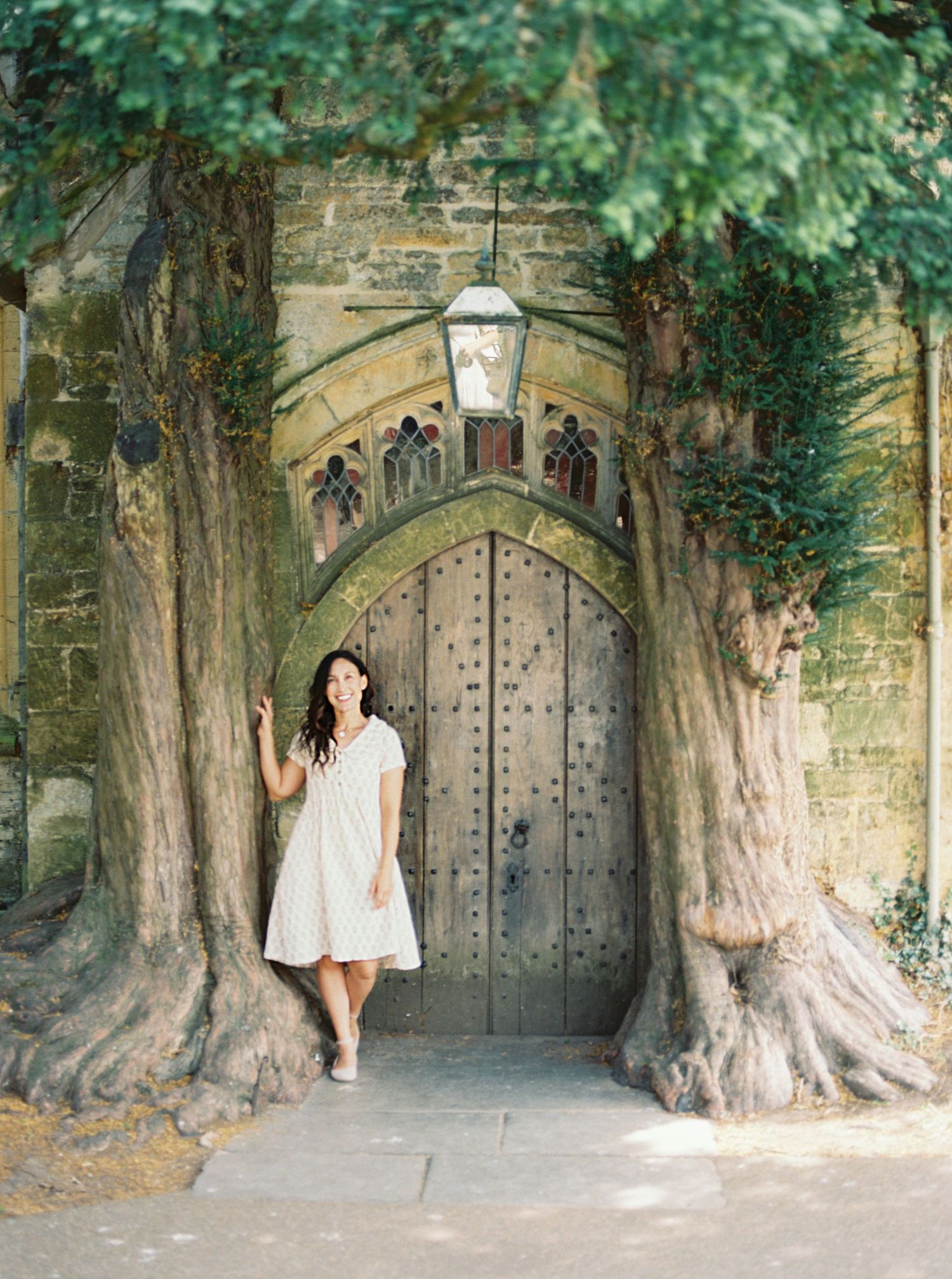
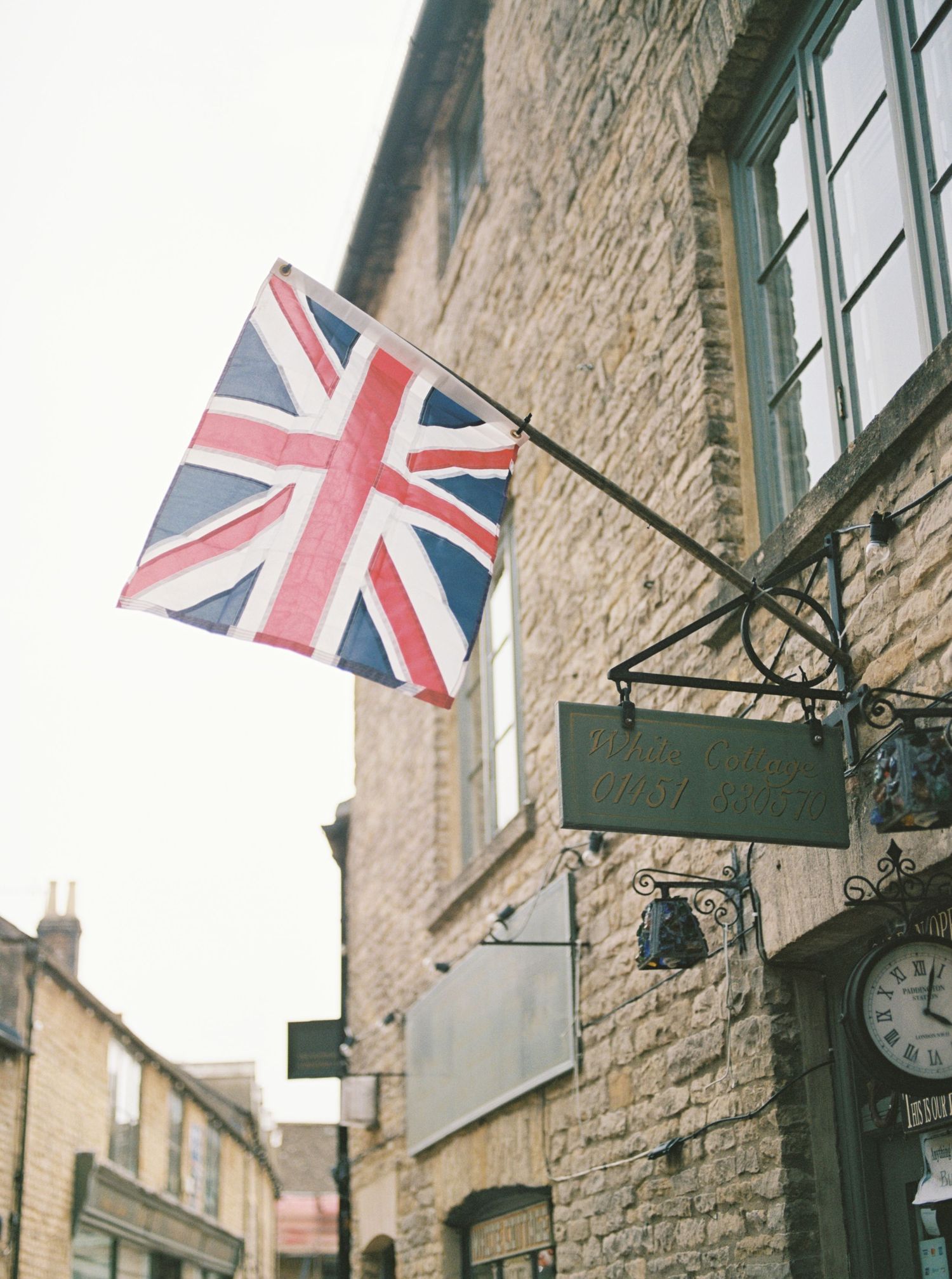
It was moving to stand on roads they may have traveled, look across the countryside they would have known, and imagine their ordinary days unfolding among the old stone buildings and green fields. The connection made the landscape feel more personal. I was not only visiting somewhere beautiful—I was walking through a small piece of my own history. The villages were every bit as beautiful as I had hoped, but knowing my family had once belonged to this landscape made the smallest details feel even more meaningful. Jars of sweets lined the windows of a little shop in Bourton-on-the-Water. An old church spire rose above the rooftops and chimneys. The Union Jack moved gently outside a historic storefront while signs, clocks, and layers of stone made the street feel untouched by time.Everywhere I looked, there seemed to be another doorway worth remembering. One of my favorite photographs from the trip was taken beside an ancient wooden door, set deeply into a stone building and framed by enormous trees. I wore a simple white dress, and for a moment the entire scene felt quiet and almost unreal—as though the doorway might open into another century.That is what I loved most about England. Nothing felt overly polished or newly created. The buildings carried their age honestly. Stone had softened at the edges. Vines and roses grew wherever they pleased. Even the imperfections felt beautiful because they revealed how long these places had been lived in and loved.
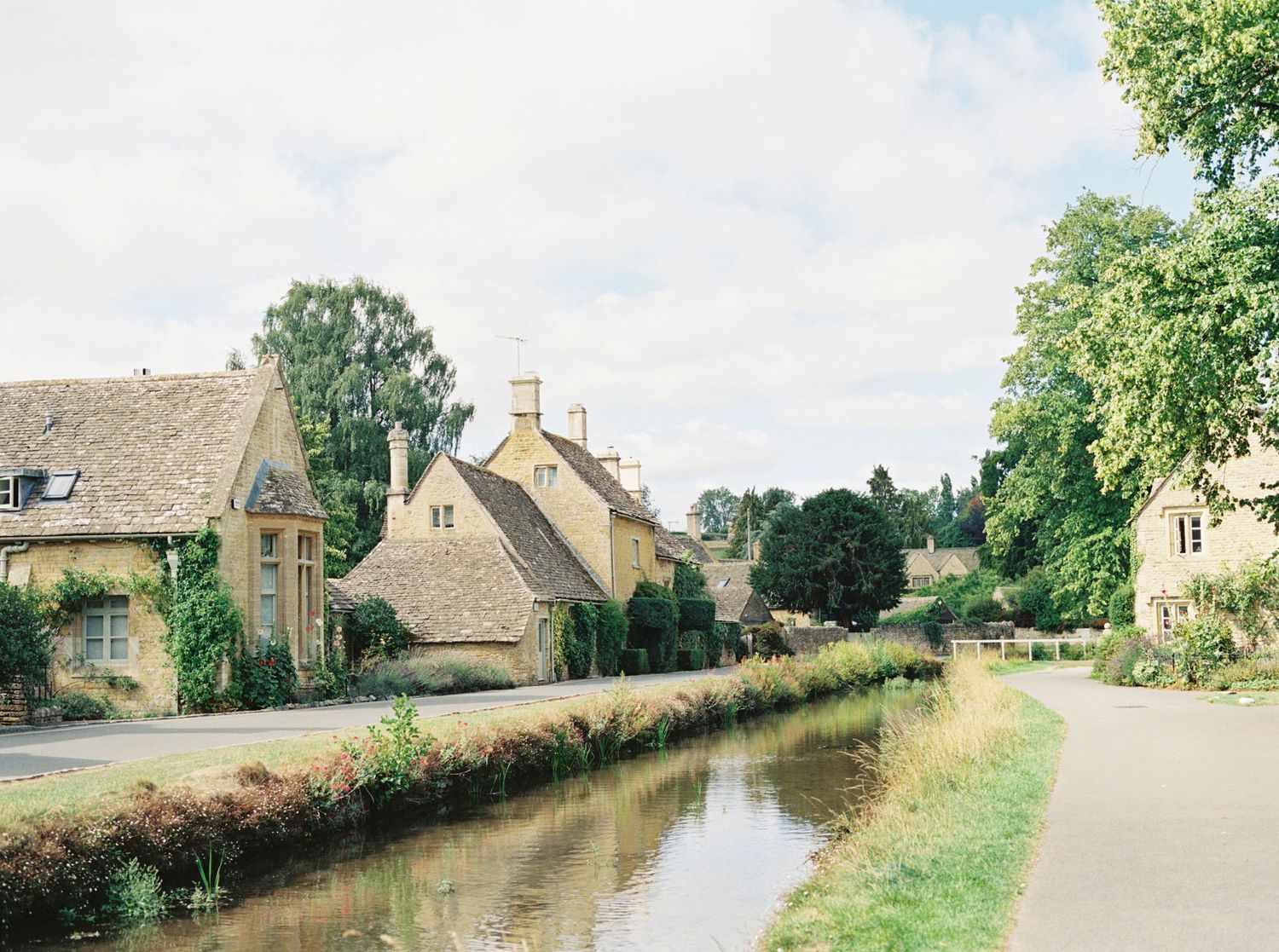
We wandered through villages where honey-colored cottages followed the curve of the water and trees leaned over the stream. There was no need to hurry. The beauty was in walking slowly enough to notice flowerpots resting beside doors, reflections moving across the water, and the way each home seemed slightly different from the one before it.
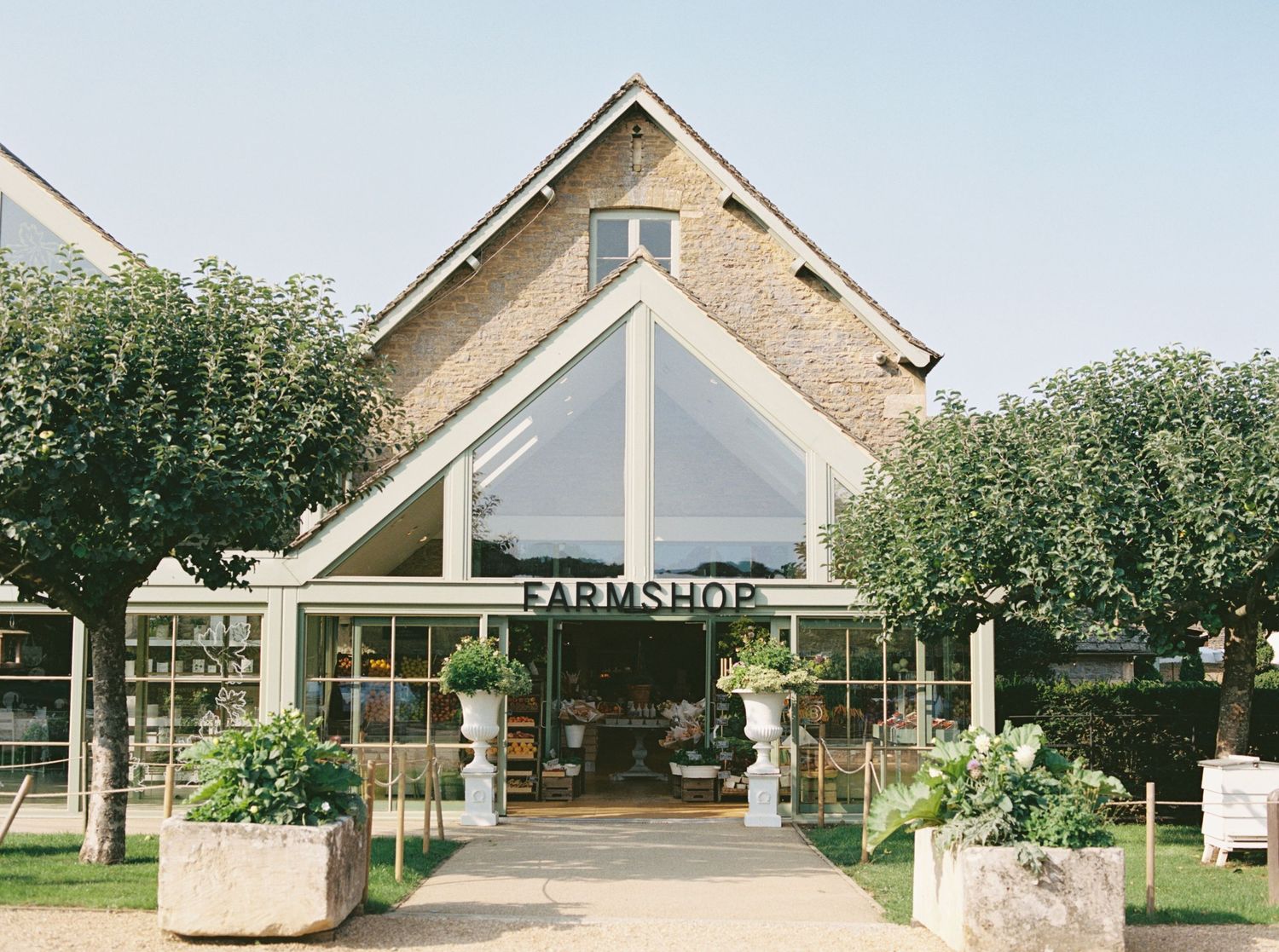
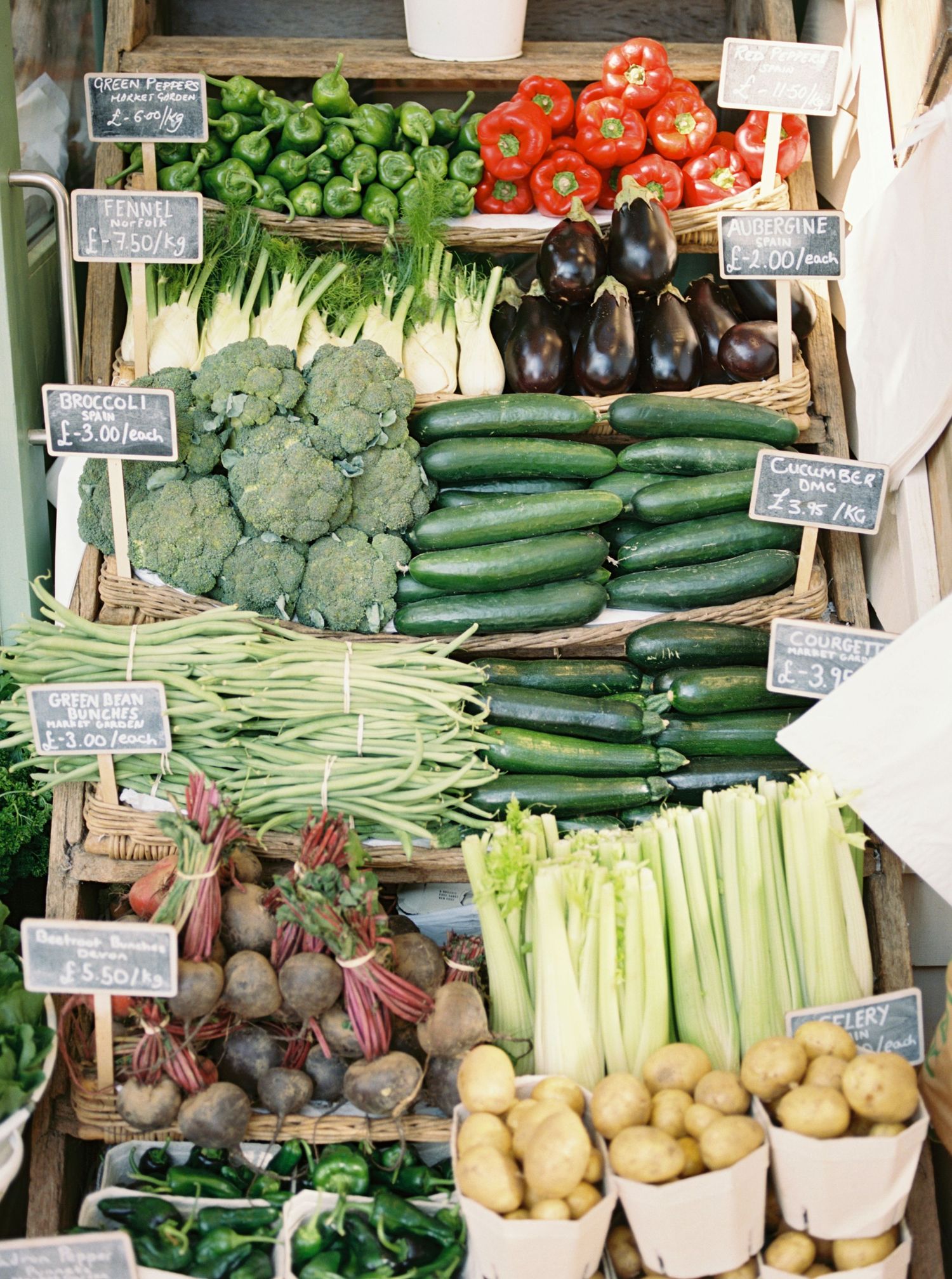
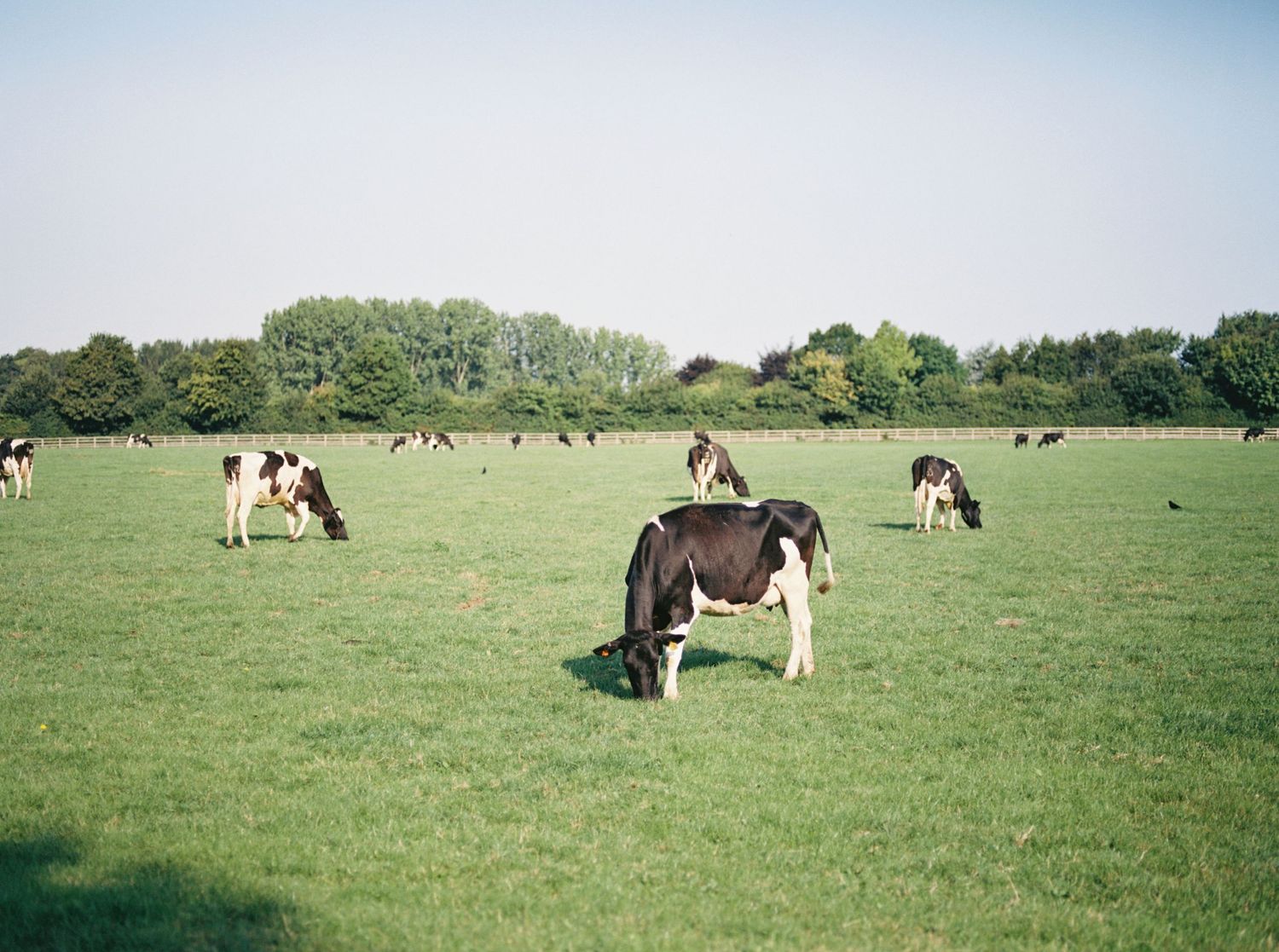
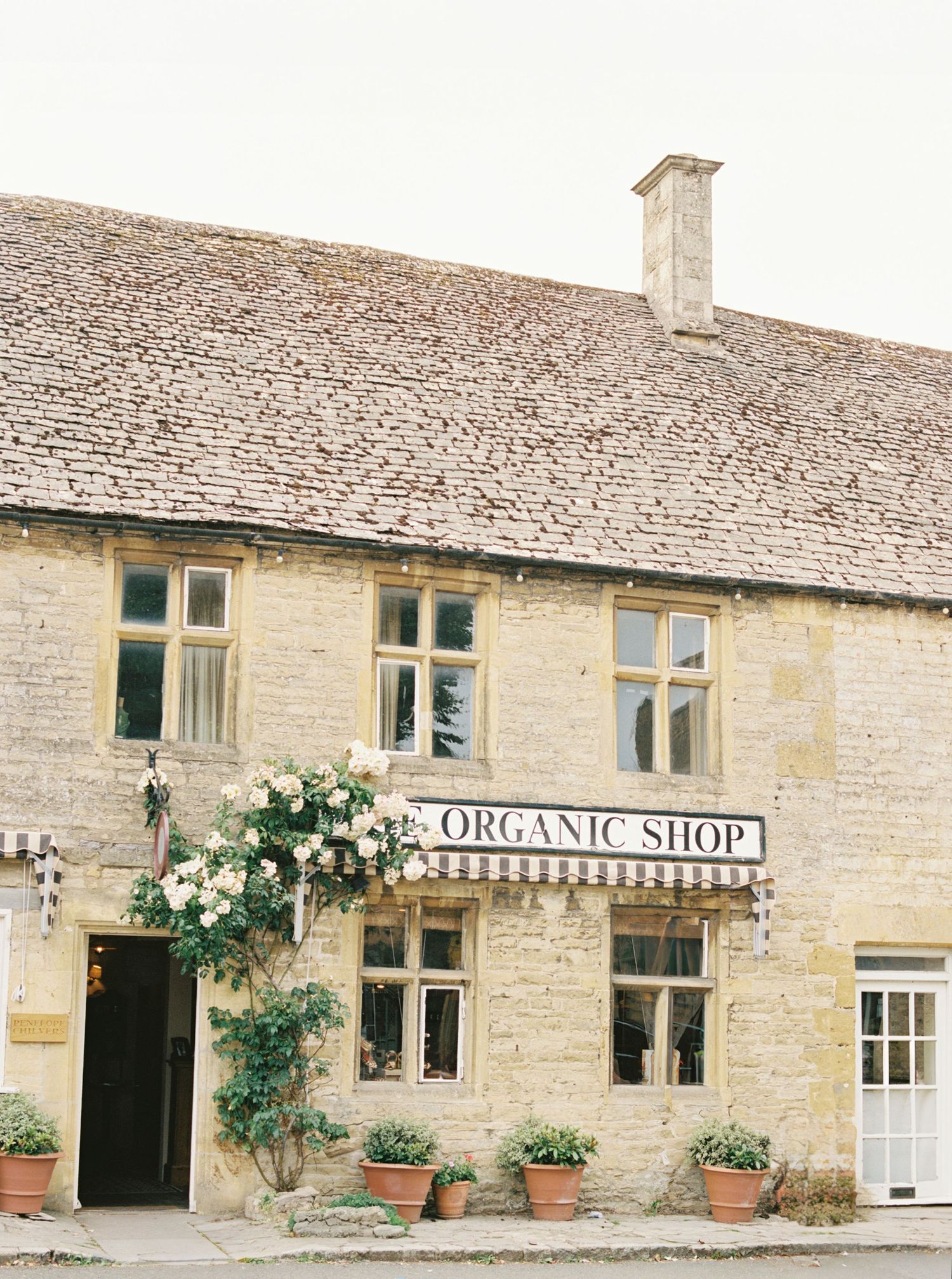
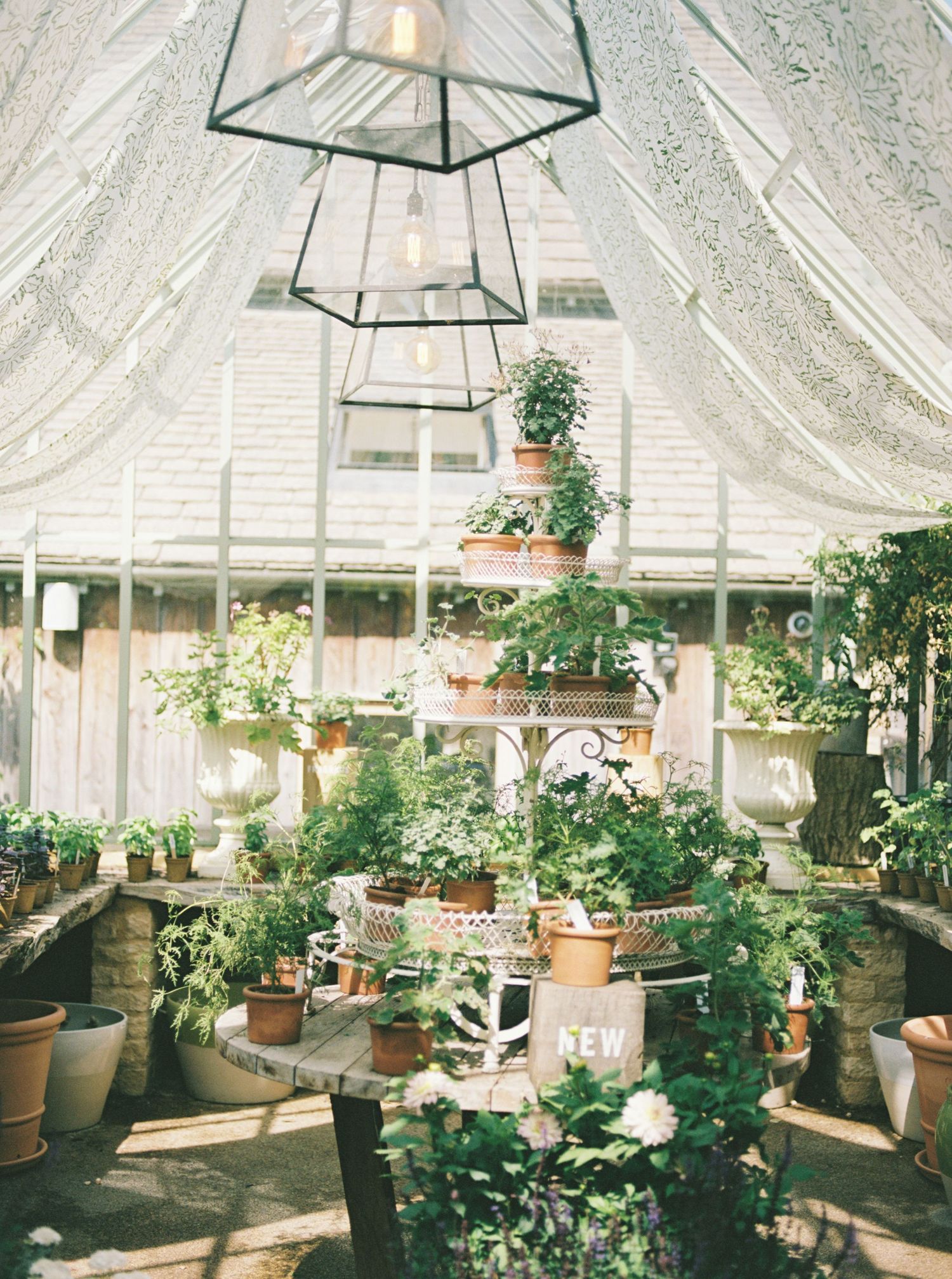
It was the kind of place that made me want to photograph everything. Not only the grand architecture, but the ordinary pieces of daily life—the market vegetables arranged in wooden crates, cows grazing in an open green pasture, and a small organic shop covered in climbing roses and surrounded by aged terracotta pots. Those details made the countryside feel real rather than imagined. One of our stops led us to a beautiful farm shop, the Daylesford Farm, with brick walls, large windows, and greenery growing around the entrance. Inside and nearby were the kinds of things I am always drawn to: fresh produce, simple displays, and spaces that felt both useful and thoughtfully made.The greenhouse was especially lovely.
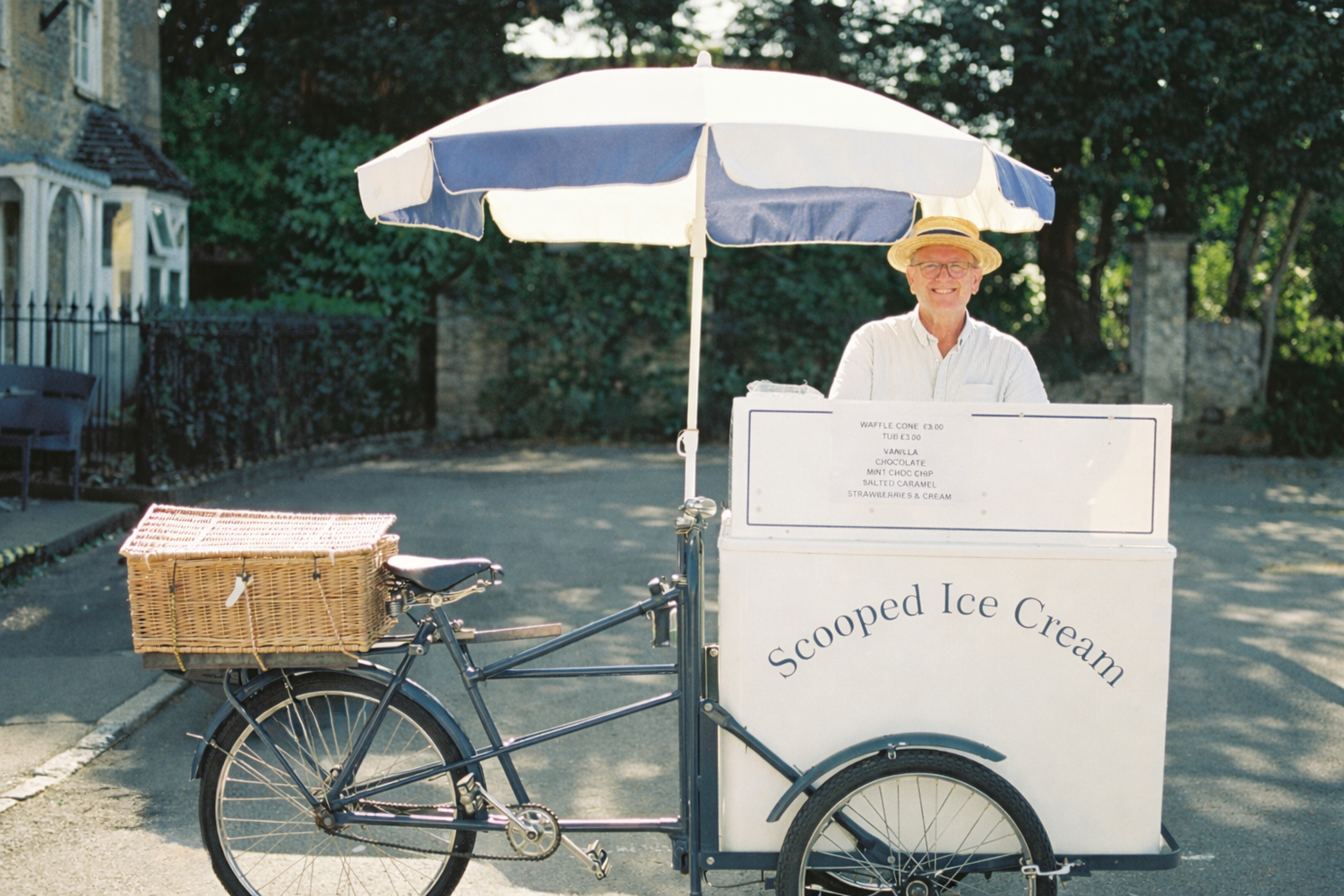
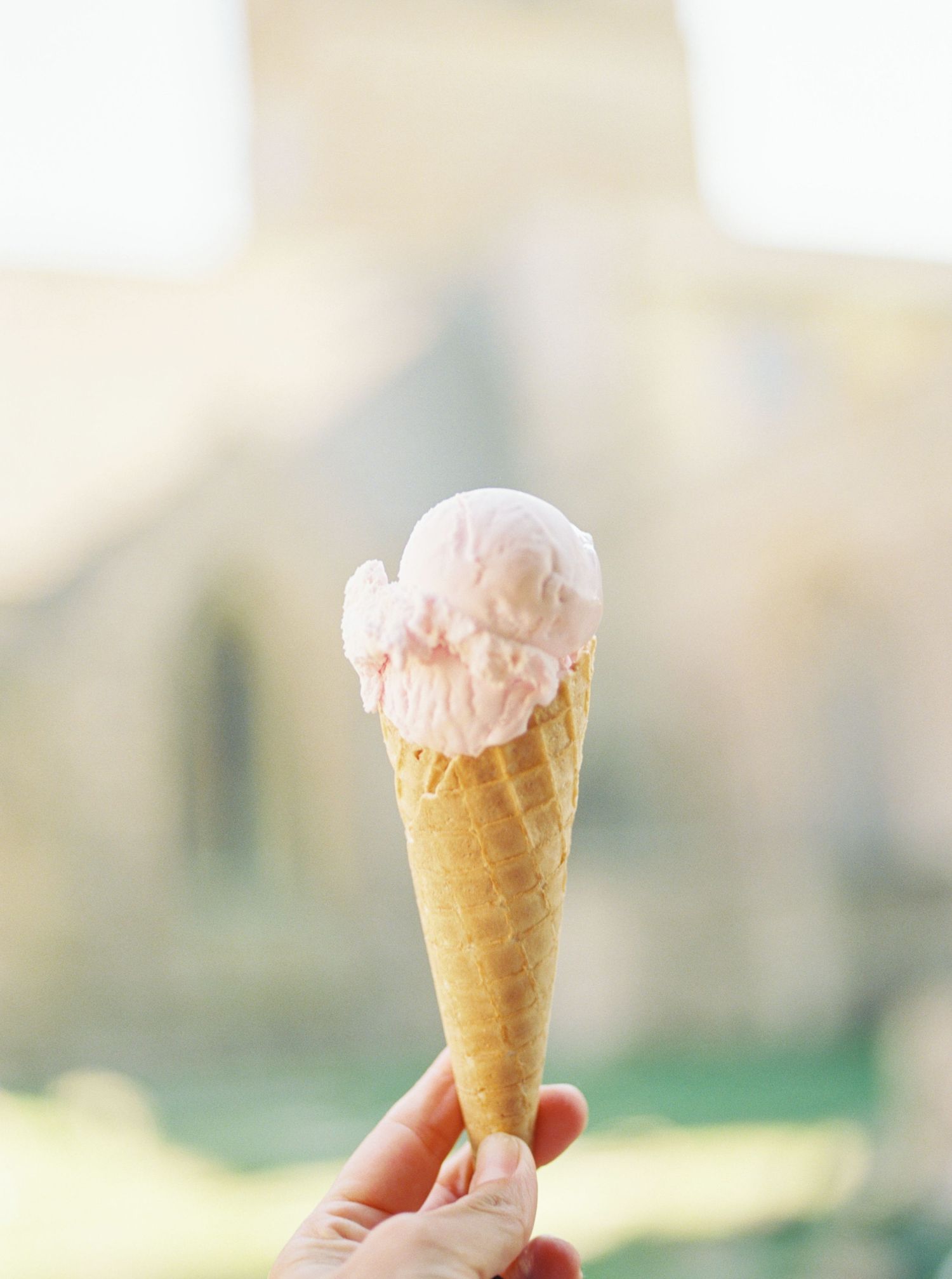
Rows of plants sat among terracotta pots beneath a beautiful pendant light, creating a space that felt more like a quiet garden room than somewhere intended only for growing. It was full of texture and life—the kind of place where I could have stayed far longer than planned. England has a way of making even the simplest experiences feel charming. An ice cream cart became a photograph I wanted to keep. A man in a straw hat served scoops from a vintage bicycle beneath a blue-and-white umbrella, and later I held a strawberry ice cream cone against the soft green background of the village.It was nothing elaborate, but it became one of those small memories that seems to carry the feeling of an entire day.The cool air. The village around us. The sweetness of the ice cream. The pleasure of having nowhere else we needed to be.Travel often makes me think about how beauty is created over time.
The Cotswolds were not beautiful because everything matched perfectly or remained untouched. They were beautiful because generations had continued adding to what was already there. New flowers grew against old stone. Shops filled historic buildings. Families lived ordinary lives inside cottages that looked as though they belonged in paintings.
There was a softness to it all, but also permanence.The stone houses had endured seasons, changing families, and centuries of weather. They made me think about home differently—not simply as something designed all at once, but as something that becomes more meaningful through age, memory, and use.
Perhaps that is why this trip felt so inspiring to me. I returned home thinking about old doors, overflowing gardens, imperfect stone walls, and rooms filled with objects gathered slowly rather than purchased all at once. I thought about the calmness of the countryside and how beautiful it felt to walk through places that did not seem eager to become anything other than what they already were. The photographs hold only fragments of the trip. A church against a cloudy sky. Roses climbing around an organic shop. Cows in a green pasture. A greenhouse filled with terracotta. Two scoops of strawberry ice cream.But together, they bring me back to the feeling of being there—to wandering without urgency, noticing the smallest details, and finding inspiration around nearly every corner.They also remind me that travel can sometimes feel like returning. Returning to a place I had never seen, but that had still shaped part of my family’s story. Returning to roads my ancestors may have walked, fields they may have looked across, and villages that once formed the backdrop of their ordinary lives. England was every bit as lovely as I imagined. And somehow, it also felt a little like coming home.
Film: Kodak Portra 400
Lab: Photovision
A Few Details from Our Cotswolds Trip
The Cotswolds are made for slow travel. The loveliest parts were not necessarily the largest attractions, but the quiet villages, independent shops, farm stands, gardens, and ordinary streets discovered along the way.Leaving room in the day to wander made it possible to notice the things I would have missed on a tightly planned itinerary. Some of my favorite memories came from stopping for ice cream, walking beside the water, and photographing little details simply because they felt beautiful. This was a personal glimpse into the places, textures, and quiet moments that inspired me during our time in England. As a photographer, I am always gathering pieces of the world that I want to remember—the way a place felt, the light that moved through it, and the small details that might otherwise disappear with time.
Chelsee Rawe Photography is a Northern California photographer drawn to honest connection, thoughtful storytelling, and the quiet beauty found in ordinary places. Her work is shaped by family, motherhood, travel, and a love for photographs that feel lived-in, nostalgic, and deeply personal. Whether documenting a family close to home or gathering inspiration far away, she approaches each story with softness, intention, and an eye for the details that make a place or season unforgettable.
